

Telegram Channel SEO: Complete Guide to Better Visibility
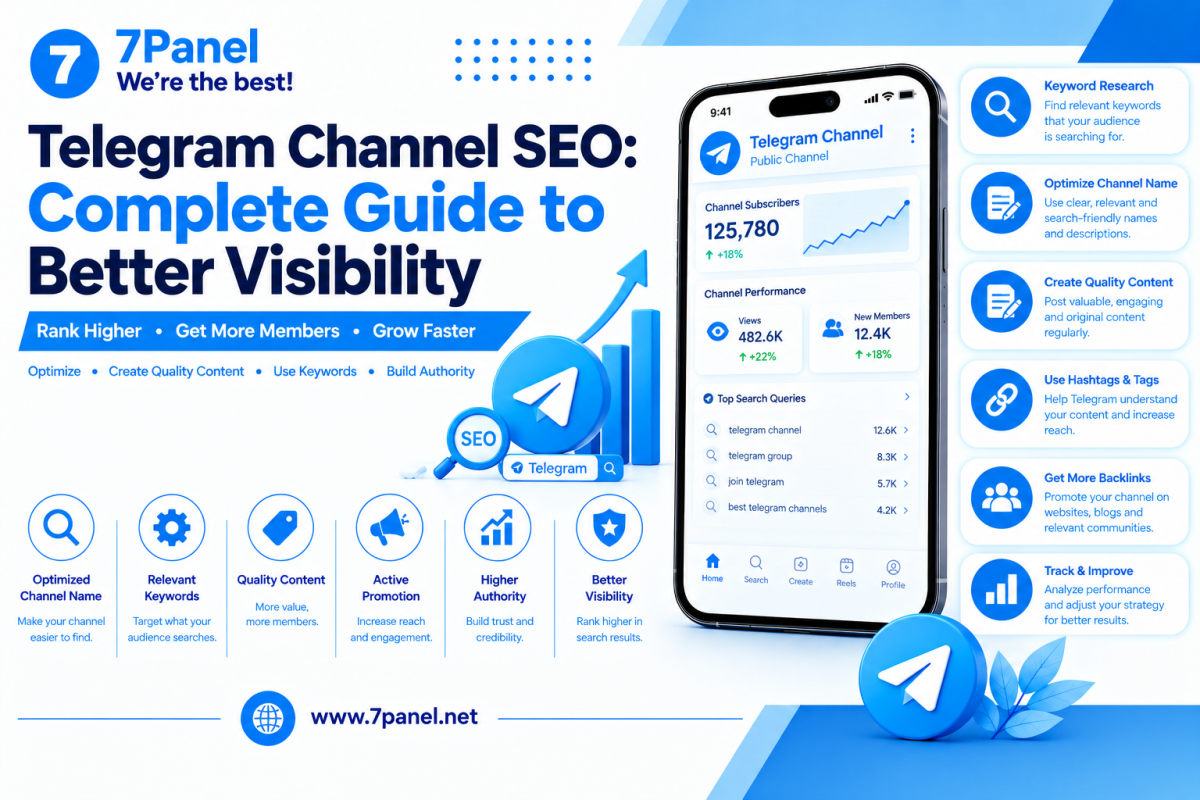
Telegram has become an important platform for publishers, creators, businesses, and online communities. But creating a channel is only the first step. To attract the right audience, people need to be able to discover your channel, understand its purpose, and find a reason to subscribe.
Telegram Channel SEO is the process of optimizing a channel's identity, content, and external presence to improve its discoverability. It includes choosing a relevant channel name, setting a clear public username, writing a useful description, publishing focused content, and building a consistent audience.
This guide explains how to optimize a Telegram channel step by step without relying on keyword stuffing or unrealistic ranking promises.

What Is Telegram Channel SEO?
Telegram Channel SEO means improving the chances that people will discover your channel when searching for a topic, brand, service, or community.
Unlike traditional website SEO, Telegram channel optimization takes place primarily inside the Telegram app. However, external visibility also matters. A channel can attract visitors through search engines, websites, social media, directory listings, and links shared by other channels.
An effective strategy focuses on three areas:
- Channel optimization: Making the channel name, username, and description clear and relevant.
- Content optimization: Publishing useful posts around a recognizable topic.
- Audience development: Attracting relevant subscribers and encouraging genuine engagement.
Telegram does not publicly document a complete ranking formula for channel search. Therefore, no particular name, subscriber count, or posting schedule can guarantee a first-place position.
1. Choose a Search-Friendly Telegram Channel Name
Your channel name is one of the first details potential subscribers see. It should communicate the channel's subject clearly and help people distinguish it from similar channels.
For example, consider these names:
- Weak:
Daily Updates - Better:
Daily Technology News - More specific:
AI Tools and Technology News
The more descriptive examples immediately communicate what readers can expect.
How to optimize your channel name
Start with your primary topic or the main phrase your intended audience might search for. Add a brand name when it helps recognition, and keep the result natural and readable.
For example, a channel covering cryptocurrency education might use a name such as Crypto Education Daily rather than a long title containing several variations of the same keyword.
Avoid adding unrelated keywords simply because they appear popular. A name overloaded with search terms can look unprofessional and make your channel harder to recognize.
Best practice: Choose one clear topic, describe it accurately, and keep the name consistent with your actual content.
2. Create a Relevant and Memorable Username
A public Telegram username gives your channel a recognizable link, such as t.me/YourChannelName. It also makes it easier for people to share and revisit your channel.
Public channels can be found through Telegram search, while private channels generally require an invitation or access through a private invite link.
When selecting a username:
- Keep it short and easy to remember.
- Use a recognizable version of your brand or topic.
- Avoid unnecessary numbers and complicated character combinations.
- Make sure it matches your channel name as closely as practical.
- Check that the username is available before promoting it.
For example, a technology channel named Technology Explained could use a related username such as @TechExplainedDaily, if available.
You do not need to change your username repeatedly to pursue better visibility. Frequent changes can confuse existing subscribers and make previously shared promotional materials outdated.
3. Write an SEO-Friendly Channel Description
Your channel description should tell visitors what the channel offers, who it serves, and what kind of posts they can expect.
A vague description such as “Welcome to our channel” provides little useful information. A specific description gives potential subscribers a reason to join.

Example of an optimized description
Channel topic: Digital marketing
“Practical digital marketing tips, SEO tutorials, social media strategies, and useful tools for creators and businesses. Follow for actionable guides, industry insights, and regular marketing updates.”
This description identifies the subject, includes relevant terminology naturally, and sets clear expectations.
Description optimization checklist
- Explain the channel's main purpose in the opening sentence.
- Include your primary topic naturally.
- Mention the content categories subscribers will receive.
- Keep the description readable on mobile devices.
- Remove repetitive keywords and unrelated promotional claims.
Your description should accurately represent the channel. Adding popular search terms that have nothing to do with your content may attract the wrong visitors and reduce subscriber satisfaction.
4. Publish Content Around One Clear Topic
A channel becomes easier to understand when its content follows a consistent theme. If a channel promises technology tutorials but mostly publishes unrelated entertainment posts, visitors may struggle to understand its value.
Build a content plan around a few closely related categories.
For example, a Telegram marketing channel might publish:
- Telegram channel management tutorials.
- Content planning and audience development tips.
- Practical guides to Telegram features.
- Case studies and campaign analysis.
- Updates relevant to channel owners.
This approach helps establish a recognizable identity and gives subscribers a clear reason to keep following the channel.
Use keywords naturally in posts
When a post covers a specific topic, use descriptive wording in its opening lines and title where appropriate.
For example, a post about channel descriptions could begin with “How to Write a Better Telegram Channel Description” rather than a vague heading such as “Important Tips.”
Avoid repeating the same phrase unnaturally in every post. Write for the people who will read and share your content, not just for a list of keywords.
5. Optimize Post Quality and Readability
Channel SEO is not only about the channel profile. Your published content also shapes the experience people have after discovering your channel.
Useful posts are easier to understand, revisit, and recommend to others.
To improve readability:
- Put the main point near the beginning.
- Use short paragraphs and descriptive headings when appropriate.
- Provide original explanations, examples, or practical steps.
- Use images and videos when they add real value.
- Check links before publishing.
- Remove unnecessary introductions and repetitive sentences.
For longer tutorials, organize the content into clear sections. For news updates, prioritize accuracy and context. For promotional posts, explain the actual benefit rather than relying on exaggerated claims.
The best format depends on your audience and the purpose of the channel. Review which posts receive meaningful responses and use those observations to refine your content plan.
6. Maintain a Consistent Publishing Schedule
A consistent publishing schedule helps subscribers know what to expect. It also gives you a structured way to test content ideas and identify the topics that resonate with your audience.
There is no universal posting frequency that guarantees higher Telegram search rankings. A channel serving breaking news may need frequent updates, while a specialist educational channel may perform better with fewer, more detailed posts.
Start with a schedule you can maintain.
For example:
- Publish practical tutorials on selected days.
- Share important updates when they are relevant.
- Review audience responses every week.
- Adjust the schedule based on content quality and subscriber feedback.
Avoid posting low-value messages just to increase the number of daily publications. More posts do not automatically mean better results.
7. Build Genuine Views, Shares, and Engagement
A channel's audience matters because it determines whether the content reaches people who actually care about the topic.
Focus on attracting subscribers who are likely to read your posts, share useful information, and remain interested over time.
Practical ways to develop an audience include:
- Share your channel with relevant communities where promotion is permitted.
- Publish original content that people have a reason to forward.
- Collaborate with channels serving a similar audience.
- Add your Telegram link to your website and relevant social profiles.
- Use clear calls to action when they are appropriate.
- Ask for feedback on topics your audience wants covered.
Monitor views, shares, reactions, and subscriber changes together rather than judging performance from one number.
A large subscriber count alone does not establish that a channel is relevant or successful. Similarly, a temporary increase in views does not guarantee improved search visibility.
Avoid spam, misleading promotions, and artificial engagement schemes. They can distort your performance data and may fail to produce a genuinely interested audience.
8. Promote Your Channel Outside Telegram
External promotion will help people discover your channel even if they do not find it via the search functionality built into Telegram.
If you already have a website, create an appropriate page or article describing your channel and linking to its public URL. The link to your channel can also be included in your social profiles, newsletters, and relevant content.
When promoting your website, use relevant anchor text that describes the target page. For instance, if your website is dedicated to digital marketing, you can link to your Telegram channel using anchor text like “follow our digital marketing updates on Telegram.”
Another option is working with relevant publishers or other channel owners. Focus more on audience relevance than on the number of promotions.
External links do not ensure higher positions within Telegram's search. Still, they can help your channel get discovered by new subscribers.
9. Track Performance and Improve Your Strategy
Telegram Channel SEO should be reviewed regularly instead of treated as a one-time setup task.

Record a baseline before making major changes. Then evaluate performance over a consistent period so that individual viral posts or temporary fluctuations do not dominate your conclusions.
Useful metrics include:
| Metric | What it helps you understand |
|---|---|
| Subscriber growth | Whether your audience is expanding |
| Post views | How many views your publications receive |
| Shares and forwards | Whether people find your content worth sharing |
| Reactions and comments, where available | How audiences respond to your content |
| Link clicks, where measurable | Whether posts lead users to your website or other destinations |
| Unsubscribes | Whether your content or publishing approach may need adjustment |
Find patterns instead of believing that just one parameter explains everything.
For instance, when you have a certain type of tutorial that receives higher numbers of views and shares, create similar material. When your subscribers are growing but you do not have enough views on your posts, assess whether your viewers are relevant to the topic of the channel and whether your posts deliver the promised value.
If your goal is the promotion of your channel in Telegram search, check how your channel is being ranked with the help of certain search queries. The algorithm differs from case to case.
For a more focused explanation of search visibility, read our guide on how to rank in telegram search.
10. Common Telegram Channel SEO Mistakes
Even a well-designed channel can struggle to attract the right audience if its basic setup and content strategy are inconsistent.
Avoid these common mistakes:
Using a vague channel name: Visitors should understand the topic without having to guess.
Stuffing keywords into the profile: Repetition makes the channel look unnatural and does not guarantee better rankings.
Changing the channel identity too often: Frequent name or username changes can weaken brand recognition and confuse existing subscribers.
Publishing unrelated content: A consistent subject makes it easier for visitors to understand what they are subscribing to.
Focusing only on subscriber numbers: Views, shares, retention, and audience relevance also matter when evaluating channel performance.
Expecting immediate results: Discoverability and audience development take time, and outcomes vary between channels.
Ignoring external promotion: A channel can benefit from relevant traffic sources beyond Telegram itself.
Believing guaranteed-ranking claims: Be cautious of anyone claiming to know Telegram's exact ranking formula or promising a specific search position.
Conclusion
The SEO process for Telegram channels begins from having a clear identity of your channel and then continues on with relevant content, consistency in publications, engagement, and performance analysis.
Choose an informative name for your channel, have a strong public username, write a meaningful description of your channel, and always publish content that is useful to your target audience. Promote the channel from relevant external resources and measure your success beyond the number of subscribers only.
There is no definite method to achieve a high ranking in Telegram search.



Join us on Telegram
Get updates and tips on our channel.
Article tools
Share this article