

How to Grow a YouTube Channel in 2026: 10 Proven Tips
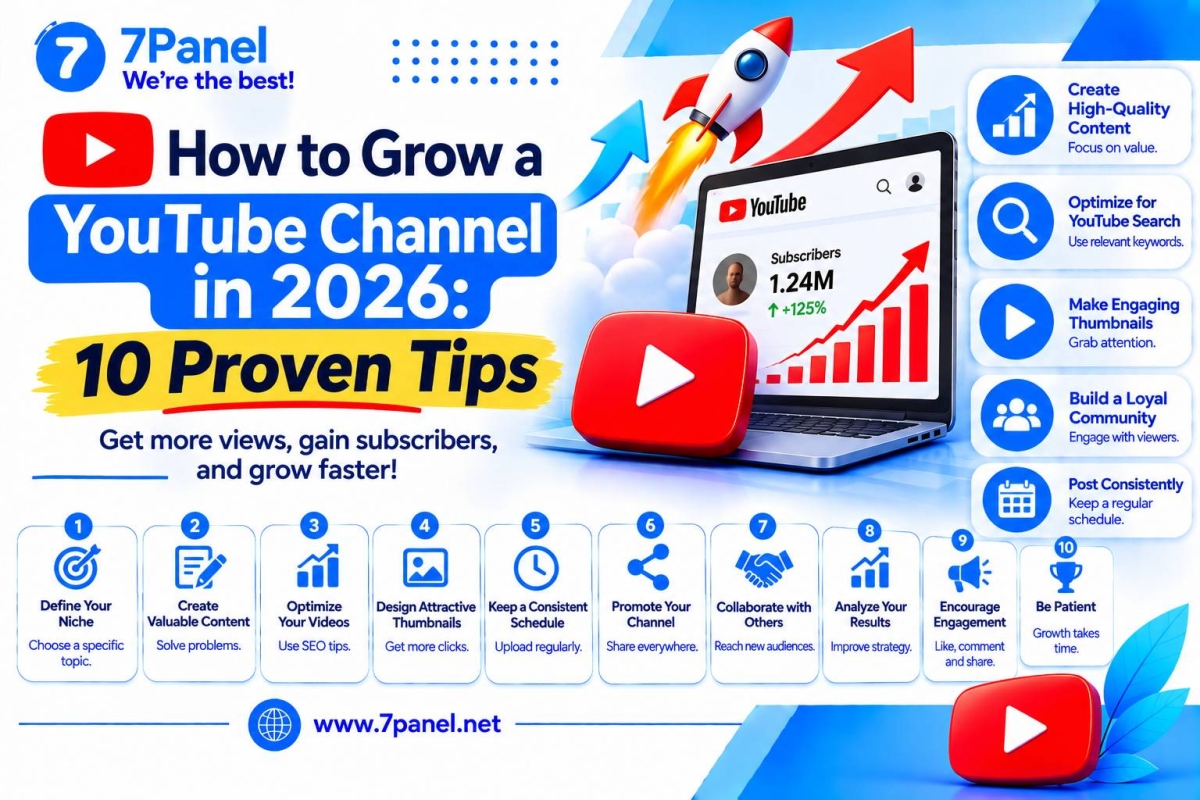
Developing a YouTube channel in 2026 will need more than just posting content and hoping that it goes viral. In fact, the successful creators make sure to know their audience, select interesting topics, create compelling videos, and improve their content through feedback and statistics.
If you want to establish a new channel or develop an already existing one, you will definitely need to use the right strategy to achieve these goals and gain more views and followers.
Below you will find 10 effective ways to grow your YouTube channel in 2026.
1. Choose a Clear Niche and Target Audience
One of the biggest mistakes new creators make is uploading videos about unrelated topics.
A focused channel makes it easier for viewers to understand what they can expect and why they should subscribe.
Start by identifying:
- Who your target audience is
- What problems they want to solve
- What topics they are interested in
- What type of videos they prefer
Instead of targeting everyone, create content for a specific audience. A clear channel direction helps you develop consistent content and build returning viewers.
2. Research Video Topics Before Creating Content
Don't rely only on random ideas. Research topics that people are actively interested in.
You can find video ideas through:
- YouTube Search suggestions
- Competitor channels in your niche
- Frequently asked questions
- Trending topics relevant to your audience
- Comments on popular videos
Look for topics that have audience demand but are not overly competitive for your channel's current size.
A good video idea should answer a question, solve a problem, explain something useful, or provide entertainment.
3. Create Better Titles and Thumbnails
Your video title and thumbnail influence whether someone chooses to watch your content.
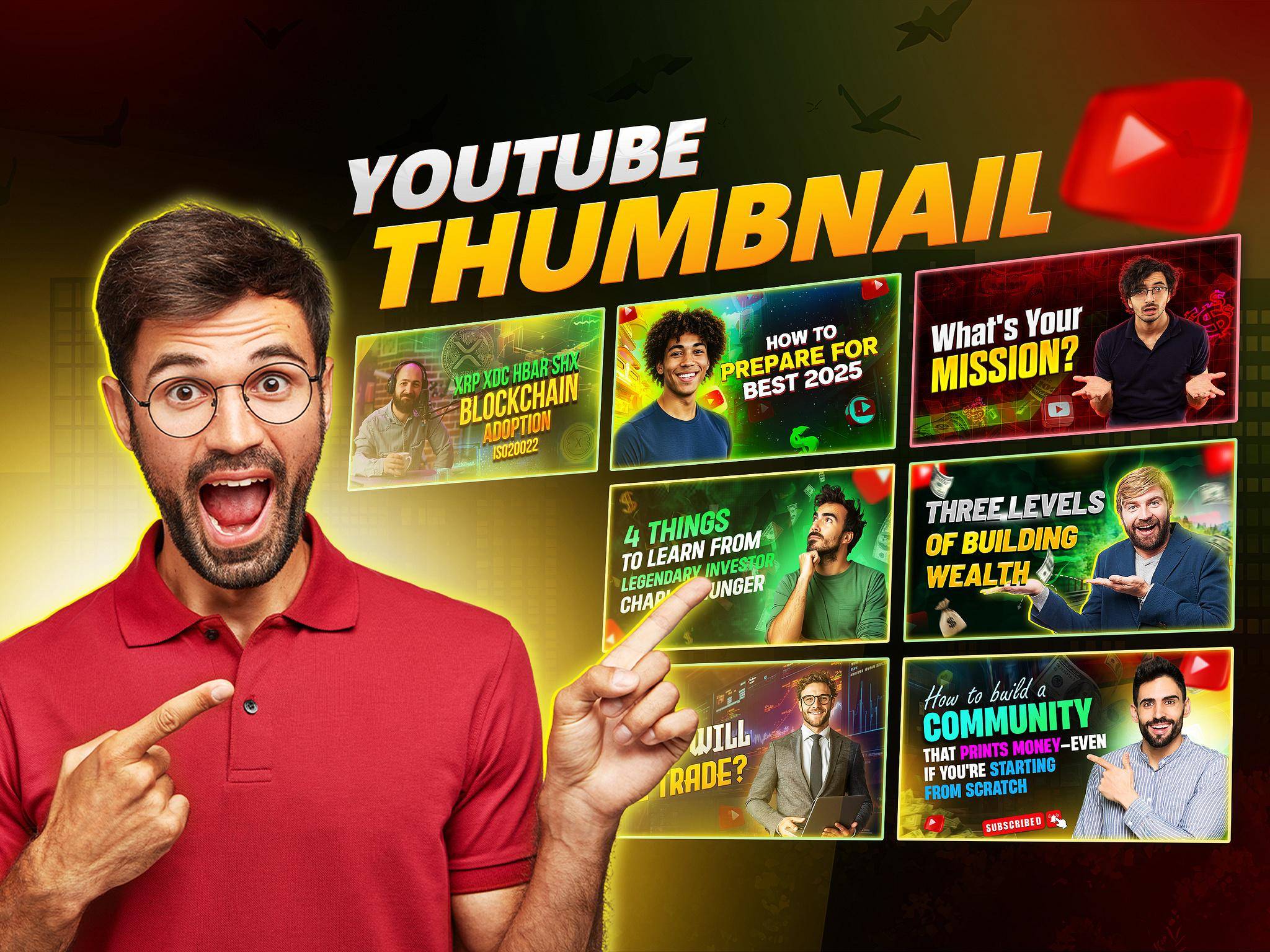
A strong title should clearly communicate the video's value while creating curiosity. Avoid vague titles that don't explain what viewers will learn.
For thumbnails:
- Use one clear focal point.
- Keep text short and readable.
- Use strong contrast.
- Avoid overcrowding.
- Make the thumbnail relevant to the video.
Your title and thumbnail should work together without misleading viewers.
4. Improve YouTube SEO
YouTube SEO helps your videos become more discoverable through search.
To optimize your videos:
- Include your main keyword naturally in the title.
- Write a useful video description.
- Explain the topic clearly in your video.
- Use relevant keywords without stuffing.
- Add chapters when they improve navigation.
- Use accurate captions where possible.
For example, if your video explains how to edit videos on mobile, use a title that directly reflects that search intent rather than a generic title.
SEO can help videos reach interested viewers, but optimization alone cannot guarantee rankings.
5. Use YouTube Shorts to Reach New Viewers
Shorts can help introduce your channel to people who have never watched your content before.
Create Shorts that deliver value quickly:
- Start with an interesting moment.
- Focus on one idea per video.
- Use vertical video.
- Avoid long introductions.
- Make the content easy to understand.
- Connect related Shorts to your longer videos when relevant.
You can also turn useful moments from long-form videos into multiple Shorts instead of creating every short video from scratch.
6. Keep Viewers Watching Longer
Getting a click is only the beginning. Your content should deliver what the title and thumbnail promise.
To improve audience retention:
- Start with the main point.
- Remove unnecessary introductions.
- Use examples and storytelling.
- Keep editing focused.
- Avoid repetitive explanations.
- Maintain a natural pace.
Review your audience-retention graph in YouTube Analytics to identify where viewers leave. These patterns can help you improve future videos.
7. Publish Consistently
Consistency helps you build a repeatable content workflow and gives your audience a reason to return.
You don't need to upload every day. Choose a realistic schedule based on your time, resources, and video format.
For example:
- One or two long-form videos per week
- Two to four Shorts per week
- One regular content series
The best schedule is one you can maintain without sacrificing quality.
8. Build Playlists and Connect Your Videos
Organize related videos into playlists to make your channel easier to navigate.
For example, a technology channel could create playlists for:
- Smartphone Tutorials
- AI Tools
- App Reviews
- Beginner Guides
Use end screens to recommend relevant videos and encourage viewers to continue watching related content.
A well-organized channel can make it easier for viewers to discover more of your videos.
9. Engage With Your Audience
YouTube growth is not only about publishing videos. Building a relationship with your viewers can encourage them to return.
Try these methods:
- Respond to meaningful comments.
- Ask relevant questions in your videos.
- Use Community Posts when available.
- Ask viewers what they want to learn next.
- Create videos based on audience feedback.
Genuine interaction helps you understand your audience and develop content around their interests.
10. Analyze YouTube Analytics and Improve
YouTube Analytics helps you understand which videos perform well and why.
Focus on these metrics:
| Metric | What It Helps You Understand |
|---|---|
| Views | How much viewing activity your videos receive |
| Impressions | How often thumbnails are displayed |
| Click-Through Rate | How often viewers choose your video after seeing it |
| Watch Time | Total time viewers spend watching |
| Average View Duration | Average time spent watching a video |
| Subscribers | Audience growth attributed to your content |
Don't judge every video by the same standard. Compare similar content, identify patterns, and use your findings to plan future videos.
Frequently Asked Questions
There is no fixed timeline. Growth depends on your niche, content quality, audience demand, consistency, and how viewers respond to your videos.
Choose a sustainable schedule. One or two high-quality long-form videos per week can be a reasonable starting point, with Shorts added when you can maintain quality.
Yes. Shorts can help introduce your content to new viewers. They work best when they provide value quickly and connect naturally with your channel's overall topic.
Create content for a consistent audience, provide clear value, improve video packaging, and give viewers a compelling reason to return for future videos.
Yes. Search optimization can help viewers discover relevant content. However, titles, thumbnails, content quality, viewer engagement, and satisfaction also matter.
Conclusion
Building a YouTube channel in 2026 will be more about having a strategy that can be replicated than trying to go viral.
Some of the areas that you need to focus on include having an identifiable niche, useful videos, engaging thumbnails, YouTube SEO, Shorts, engagement and regular postings.
More importantly, make use of YouTube analytics in order to know your audience and improve each video that you publish.

Join us on Telegram
Get updates and tips on our channel.
Article tools
Share this article